Company updates, industry perspectives and ideas for your next project.
No articles in this topic yet.
Company News
Sustainable Building Materials: How Waltive Reduces Environmental Impact
Sustainability is no longer optional in modern construction — it is a requirement. Waltive works to reduce environmental impact through eco-friendly materials, low-emission manufacturing and third-party certifications that protect both people and the planet.
Our sustainability commitment
Sustainability is built into every stage of production, from raw-material selection to the final panel that leaves our facility. We believe high-performance building materials should not come at the cost of indoor air quality or environmental health.
Certifications that prove our claims
We verify sustainability through independent testing rather than assertion alone:
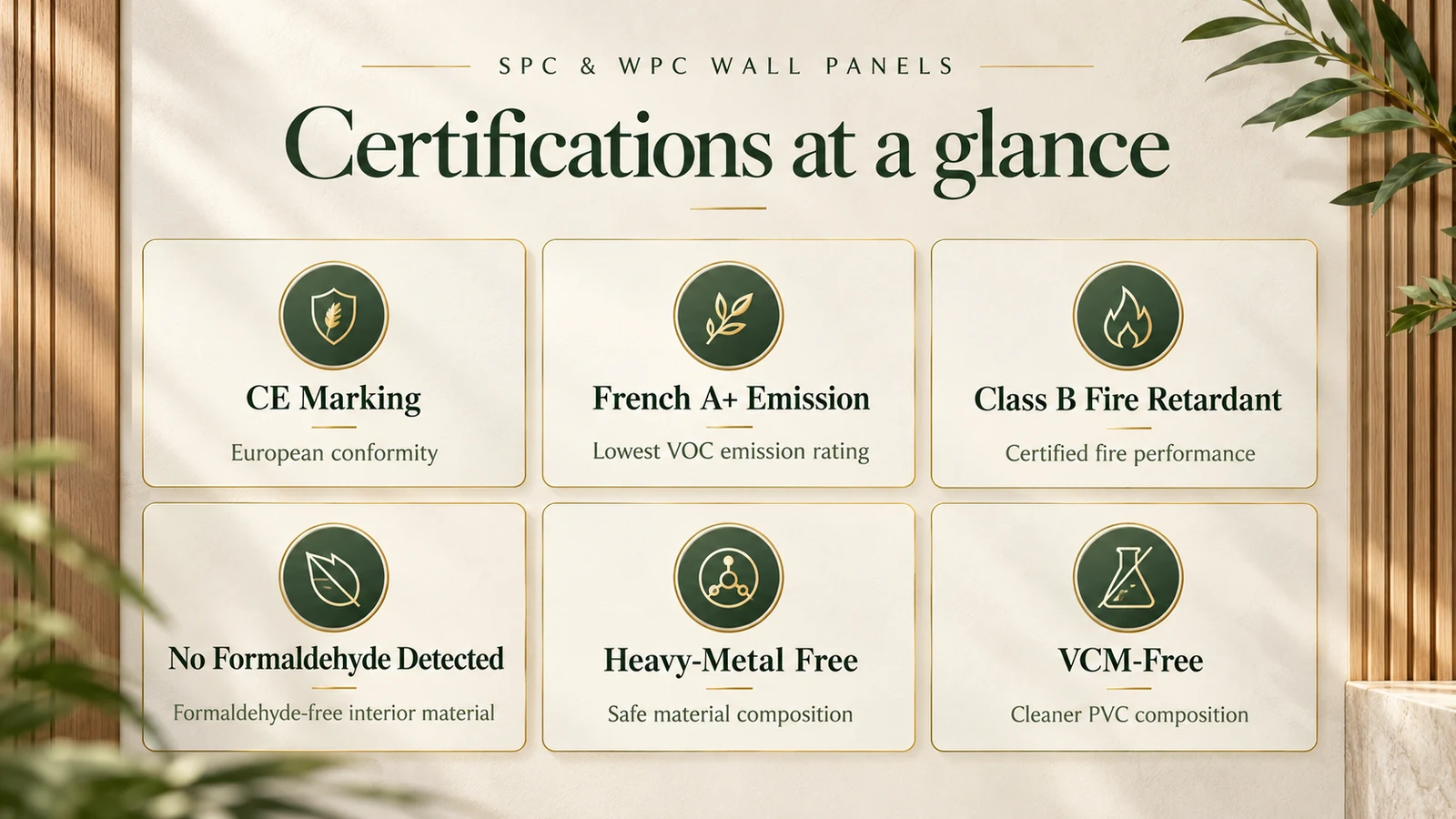
CE — complies with EU health, safety and environmental standards.
French A+ — the highest indoor air-emission rating (ISO 16000).
Fire-retardant ratings — safer for occupants and the built environment.
SGS tested — independent verification of emissions and heavy-metal content.
Reducing waste through durability
The most sustainable material is one that lasts. Our SPC and WPC wall panels are engineered for long-term use, resisting warping, cracking and swelling. Durable panels reduce the need for early replacement — saving both raw materials and cost.
Our ongoing commitment
We continue to improve processes to reduce water use, energy consumption and production waste, and we supply eco-friendly wall panel solutions to partners who share that commitment.
Why SPC Wall Panels Are the Future of Commercial Interiors
Commercial interiors are shifting toward materials that are faster to install, safer for occupants, and easier to maintain. SPC (Stone Polymer Composite) wall panels are leading this shift — replacing traditional tiles and paint in hotels, offices, retail and healthcare spaces worldwide.
The commercial interior challenge
Commercial projects face pressures that residential builds often do not:
Tight timelines — every day of delay carries a cost.
High traffic — walls must withstand constant wear.
Strict compliance — fire safety and air quality are non-negotiable.
Low maintenance budgets — cleaning and repairs must be simple and infrequent.
Traditional materials — ceramic tiles, painted drywall and wallpaper — struggle to meet all four demands at once. SPC wall panels are engineered to meet them together.
Where SPC panels excel
Hotels & hospitality: corridors, guest rooms and lobbies.
Offices: reception areas, meeting rooms and breakout spaces.
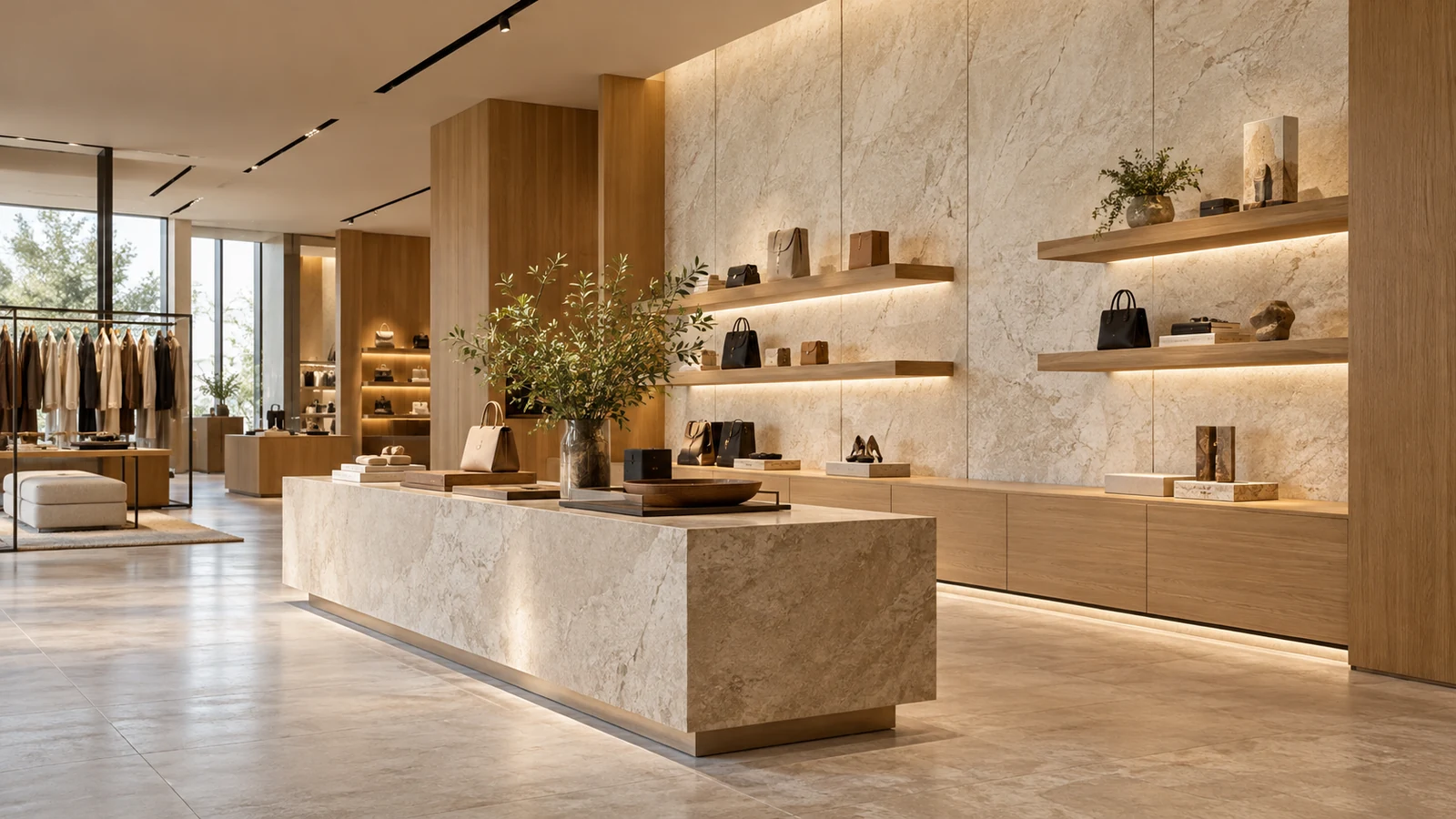
Retail: feature walls, display backdrops and fitting rooms.
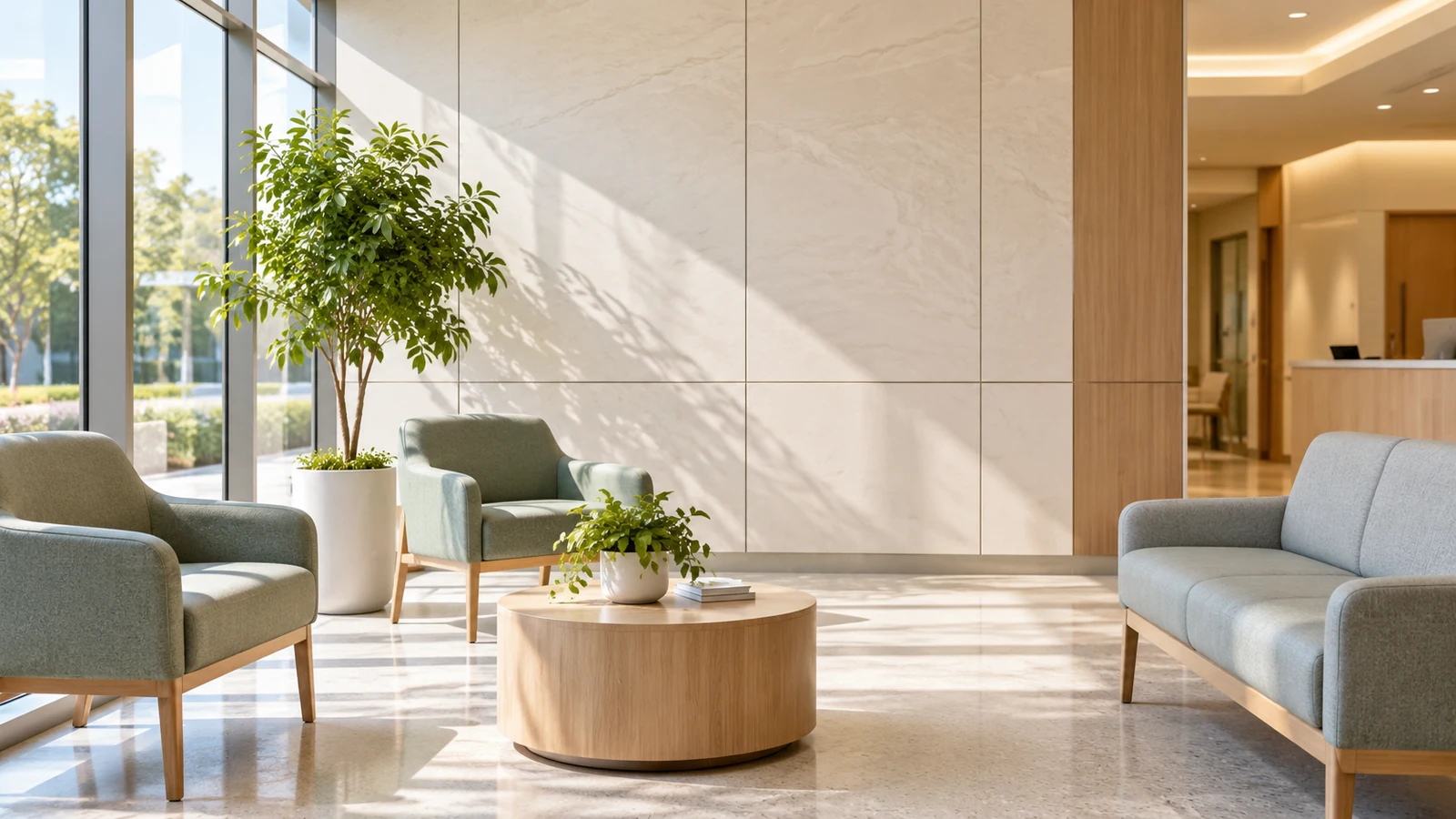
Healthcare: waiting rooms, corridors and examination rooms.
Education: classrooms, hallways and cafeterias.
Gyms & fitness centres: locker rooms, shower areas and workout zones.
The Waltive advantage
As a direct manufacturer with long-standing OEM/ODM experience, Waltive supplies commercial-grade SPC wall panels and a complete accessory line from a single source:
Certified: CE, French A+, fire-rating and zero-formaldehyde reports available.
Scalable: multiple production lines across a large integrated facility.
Complete: SPC wall boards, WPC fluted panels and decorative mouldings.
Reliable: dependable lead times with multilingual export support.
The future is already here
Designers and contractors are specifying SPC panels today rather than waiting. If you are planning a commercial project, our team can provide technical datasheets, test reports and commercial pricing.
How to Choose the Right Wall Panel Supplier: 10 Questions to Ask
Choosing the wrong wall panel supplier can cost you time, money, and your reputation. Whether you are a distributor, contractor, or brand owner, these 10 questions will help you separate reliable manufacturers from risky middlemen—and ensure your project runs smoothly from order to delivery.
The 10 Questions Every Buyer Should Ask
Before you place an order, ask your potential supplier these questions. The answers will tell you everything you need to know.
#
Question
Why It Matters
1
Are you a direct manufacturer or a trading company?
Trading companies add cost and reduce quality control. A direct manufacturer like Waltive offers better pricing, faster lead times, and full traceability.
2
Can you provide third-party test reports (SGS, TÜV, Intertek)?
Certifications like CE, French A+, Class B, and Zero Formaldehyde must be verified by independent labs—not just self-declared.
3
What is your monthly production capacity?
Capacity determines whether they can handle your peak season demand. Waltive operates 13 production lines across a 30,000+ m² facility.
4
What is your MOQ, and is it flexible?
Rigid, high MOQs can block trial orders. Look for suppliers who offer project-based or flexible MOQs for new partnerships.
5
Can you send samples before I commit?
Always request a physical sample kit. It confirms colour accuracy, surface finish, and panel weight before you invest in a full order.
6
What OEM/ODM options do you offer?
Custom dimensions, films, packaging, and branding are essential if you are building your own brand. Ask for specific examples.
7
What is your quality control process?
From raw material inspection to final packaging, a documented QC process reduces defects. Ask for their checklist.
8
Do you offer a complete accessory line?
Sourcing panels without matching trims creates colour mismatches and delays. A one-stop supplier saves time and logistics costs.
9
What is your lead time after deposit?
Standard lead times vary. Waltive offers 25 days after deposit for most orders, but confirm this in writing.
10
What after-sales support do you provide?
Installation guides, technical support, and a clear warranty policy protect your investment after the sale.
Why Waltive? We answer all 10 questions with transparent, verifiable answers. As a direct manufacturer with 15+ years of experience, 13 production lines, and full SGS certification, we are the reliable partner your business needs.
OEM/ODM Wall Panel Solutions: A Guide for Global Distributors & Brand Owners
For distributors and brand owners, finding a reliable manufacturing partner is the key to scaling a profitable wall panel business. Waltive offers comprehensive OEM/ODM solutions—from custom dimensions and film finishes to private-label packaging and multilingual export support—backed by 15+ years of factory-direct expertise.
Why OEM/ODM Matters for Your Brand
If you are a distributor, contractor, or brand owner, selling generic panels is a race to the bottom on price. To build a defensible brand, you need products that match your local market's exact specifications, aesthetics, and packaging requirements. We do not just sell panels; we manufacture your brand's future products.
Our Customization Capabilities
Based on our product pages and catalog, here is what we can customize for your orders:
Customization
Options
Dimensions
Custom lengths (standard 2900mm), widths up to 1120mm, thicknesses (6mm & 8mm).
Films & Finishes
Custom PVC films, PET films, wood grains, marble looks, and 3D textures.
Packaging
Private-label cartons, custom pallet configurations, and branded inner inserts.
Branding
Custom logo printing and brand-specific colour matching.
Export Support
Multilingual documentation and tailored shipping logistics.
Factory-Direct Advantage
When you partner with Waltive, you work directly with the manufacturer—not a middleman. Our facility spans 30,000+ m² with 13 production lines, allowing us to handle large-scale OEM/ODM projects with a lead time of just 25 days after deposit.
Our core product lines include:
SPC Wall Boards: Waterproof, impact-resistant, Class B fire-rated.
WPC Fluted Panels: Acoustic, modern, and durable.
Decorative Mouldings & Trims: Complete accessory systems for a one-stop solution.
Certified for Global Compliance
OEM/ODM projects require strict compliance. All our products are CE, French A+, B1, and Zero-Formaldehyde certified, with SGS test reports available for your submittal packages.
Let's Build Your Brand Together: Whether you need a flexible MOQ for a trial order or a full container of custom-branded panels, our team is ready to support your growth.
Launching Waltive's Complete Integrated Trim & Accessory Line
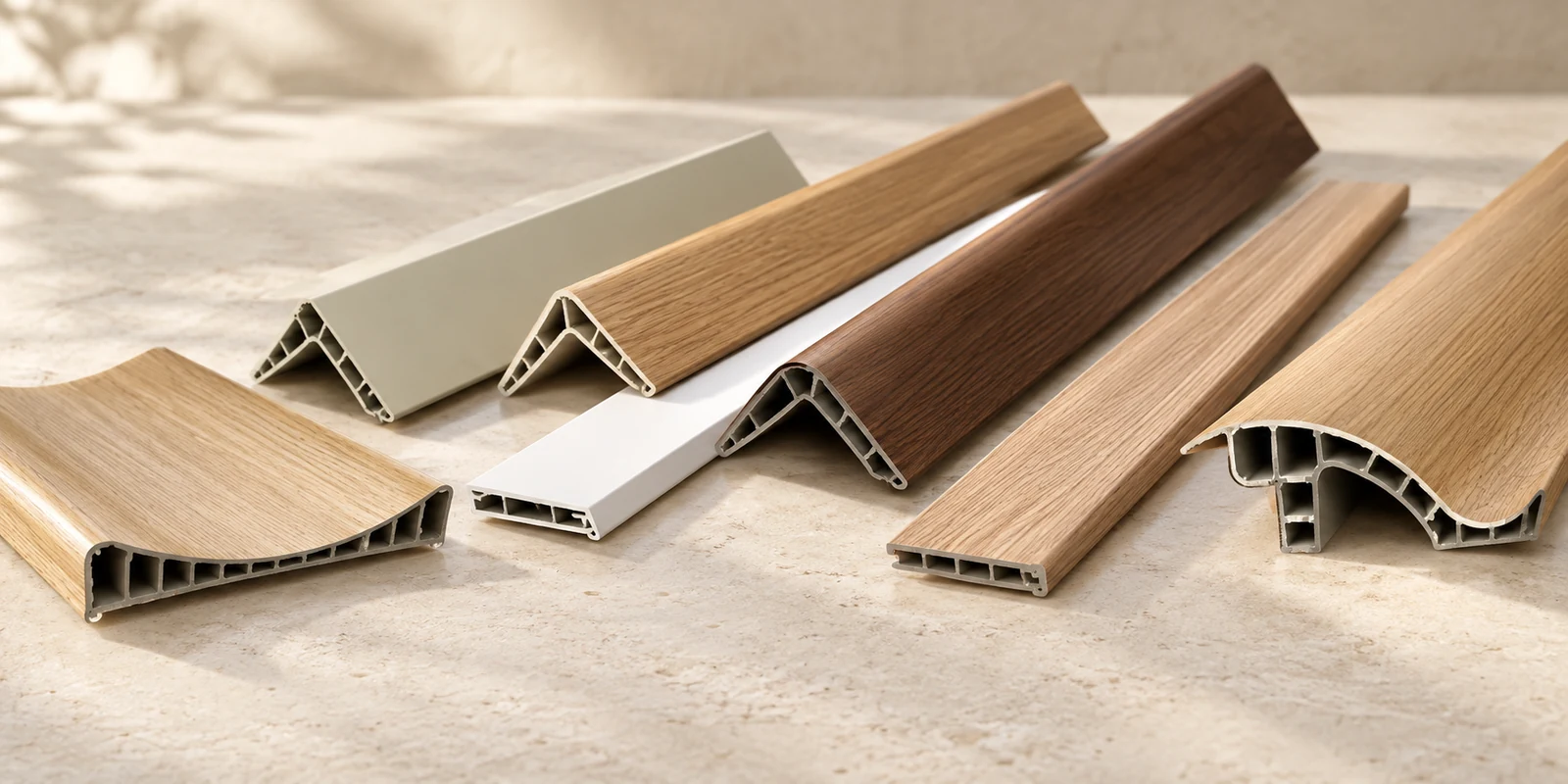
Waltive has launched a complete integrated trim and accessory line, offering a one-stop solution for SPC and WPC wall panel installations. The new range covers everything from corner mouldings to skirting, ceiling lines, and aluminium alloy matching profiles—all colour-matched and certified to the same strict standards as our panels.
What's Included?
Our new accessory line is designed to complete every wall panel project with a seamless, professional finish. Key categories include:
Category
Examples
Use Case
Corner Mouldings
BS25, BS404, BS630, H303YB
External and internal corners
Skirting Mouldings
T50, T80, T801, T100, T150
Wall-to-floor transitions
Ceiling Lines
D50, D80, D804
Wall-to-ceiling transitions
Edge Banding
P0036, P0070
Covering cut panel edges
Flat Moulding
P004, P0042, P006
Seam covering and decorative borders
Window Casing
P0124, P0240, P0303
Window and door frames
Special Profiles
H507, H150, H200, H1750
Curved and custom architectural details
Aluminium Alloy Matching Line
HT-041 to HT-072
Premium metal-look trims
Why It Matters for Your Project
Previously, contractors and distributors had to source trims from multiple suppliers, risking colour mismatches and inconsistent quality. With Waltive's integrated line:
Perfect Colour Match: Every trim is engineered to match our SPC and WPC panel finishes exactly.
Certified Quality: All accessories are third-party tested (SGS) and carry the same CE, French A+, Class B, and Zero Formaldehyde certifications as our panels.
Simplified Logistics: One supplier, one shipment, one quality standard. This reduces lead times and administrative burden for distributors and contractors.
One-Stop Solution for Global Partners: With over 15 years of OEM/ODM experience and 11 production lines, Waltive now offers a complete wall panel system—panels, trims, and accessories—from a single source. Whether you are a distributor building a catalogue or a contractor finishing a hotel project, our integrated line ensures consistency from core to edge.
Request our updated accessory catalogue or a sample kit.
Waltive Upgrades Production Facility for Next-Gen SPC/WPC Solutions
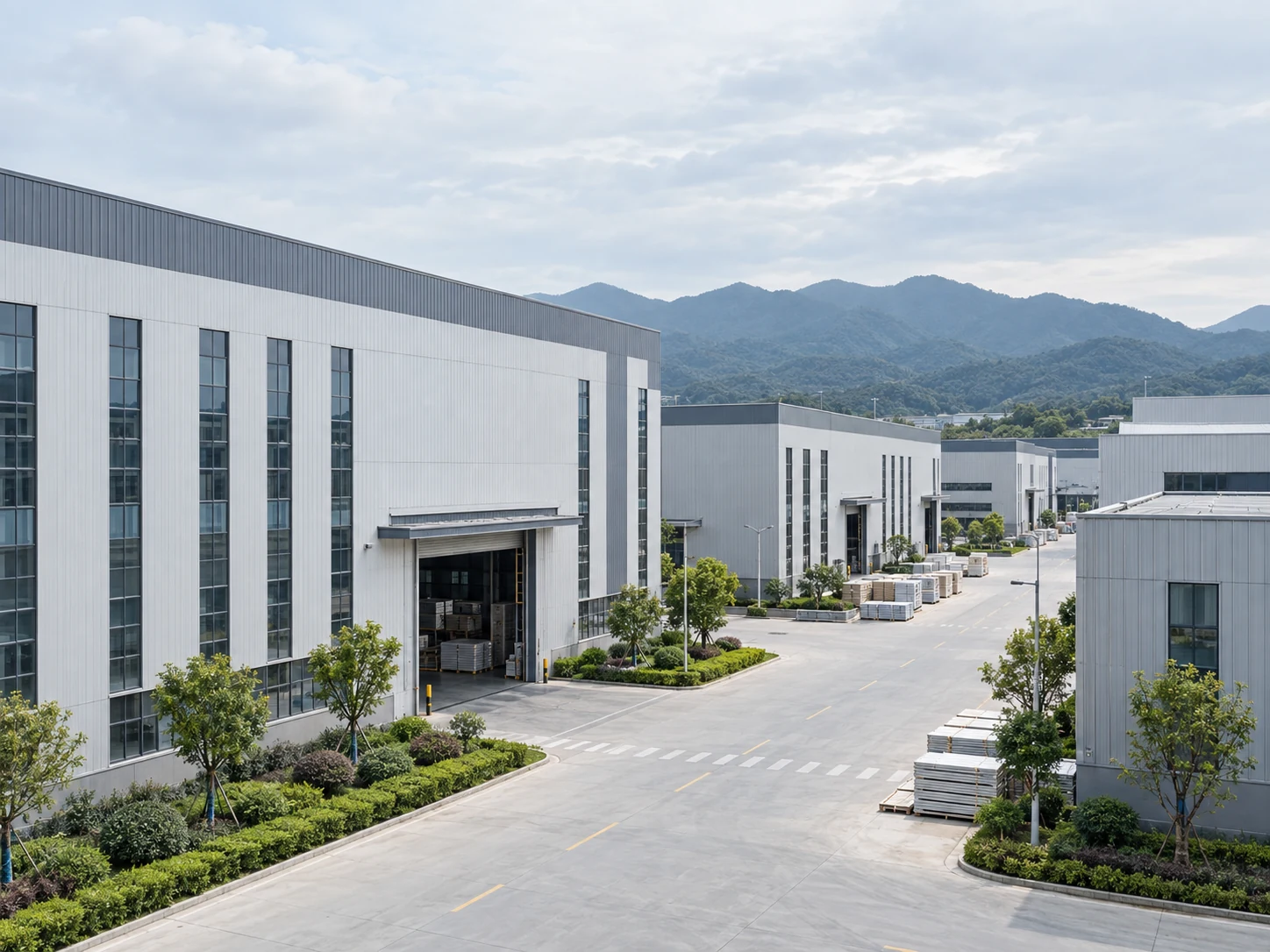
Waltive has completed a major upgrade of its manufacturing facility in Jinhua, China, expanding capacity and precision for next-generation SPC and WPC wall panels. The investment positions the company to meet growing global demand with faster lead times and superior product quality.
What's New?
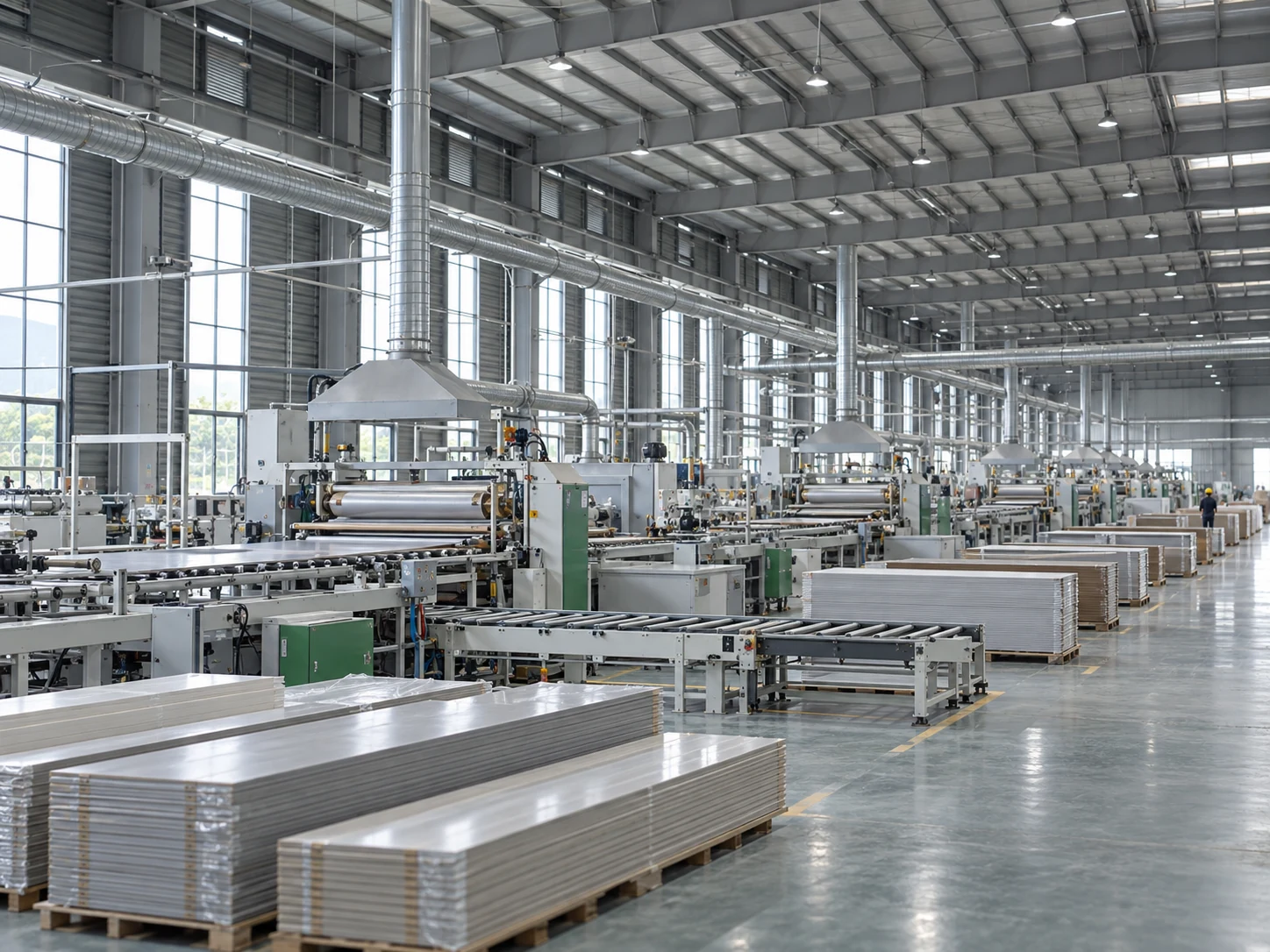
We are proud to announce a significant upgrade to our production infrastructure. With the addition of new high-precision extrusion and lamination lines, our facility now operates 11 modernized production lines dedicated to SPC and WPC wall panels, fluted panels, and decorative mouldings.
Key upgrades include:
Increased Capacity: The expansion boosts our monthly output, allowing us to handle larger OEM/ODM orders without compromising lead times.
Enhanced Precision: New automated calibration systems ensure tighter tolerances on panel thickness (6mm and 8mm) and seam profiles (U-Seam, V-Seam, Flat Seam).
Next-Gen Materials: Dedicated lines for our Black Core PVC Boards and Bamboo WPC Fluted Panels, engineered for higher durability and fire safety (Class B).
Wider Format Capability: We can now produce panels up to 1120mm wide, reducing seams and installation time for commercial projects.
Why It Matters for Our Partners
With global demand for SPC wall panels growing at 10.3% annually, scalability and consistency are critical. This upgrade is not just about volume—it is about reliability.
Since 2010, Waltive has been a trusted OEM/ODM partner for distributors, contractors, and brand owners in over 50 countries. By bringing our testing and production capabilities fully in-house, we ensure that every panel meets strict EU standards (CE, French A+, Zero Formaldehyde) before it leaves our facility.
Waltive Showcases New SPC Wall Panel Solutions at the CBD Fair Guangzhou
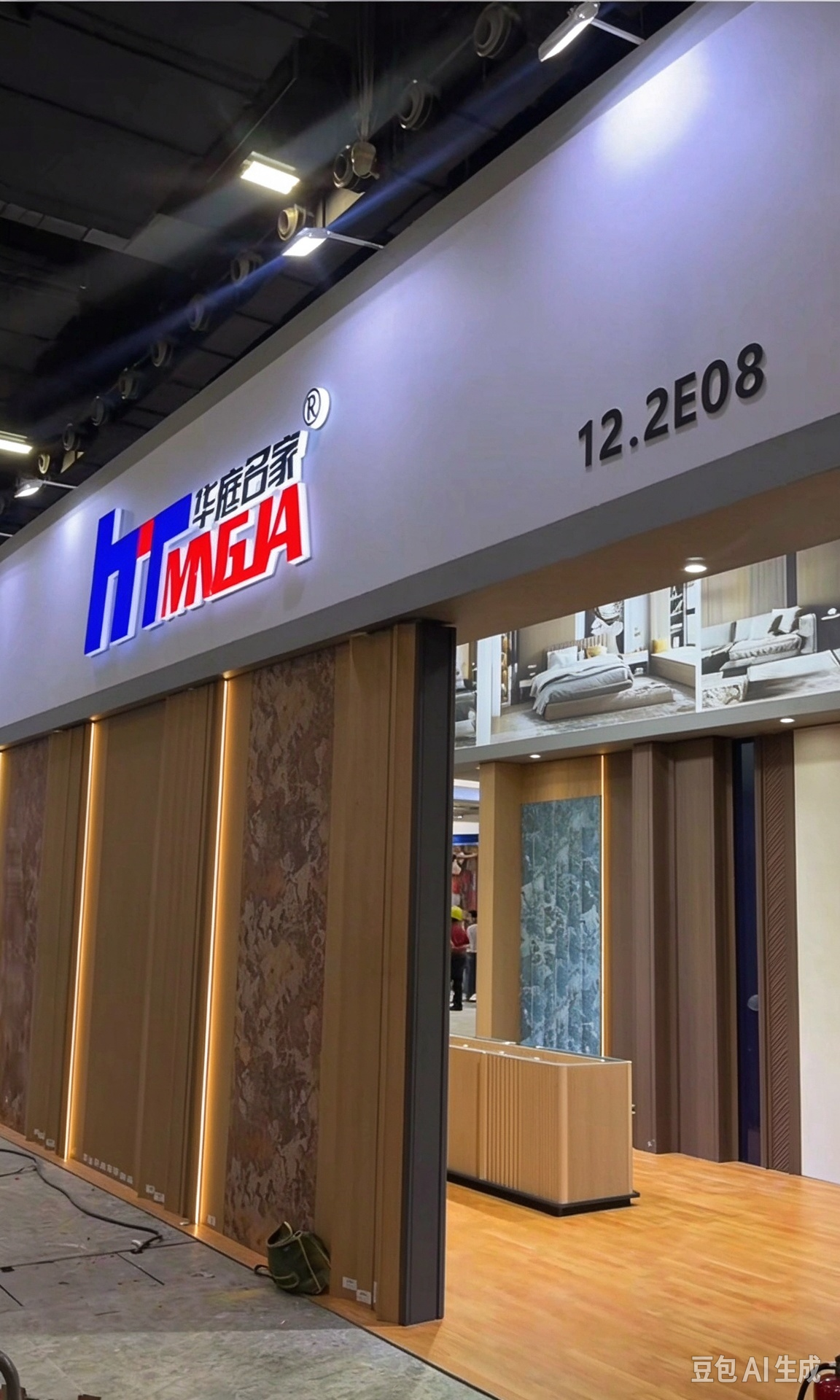
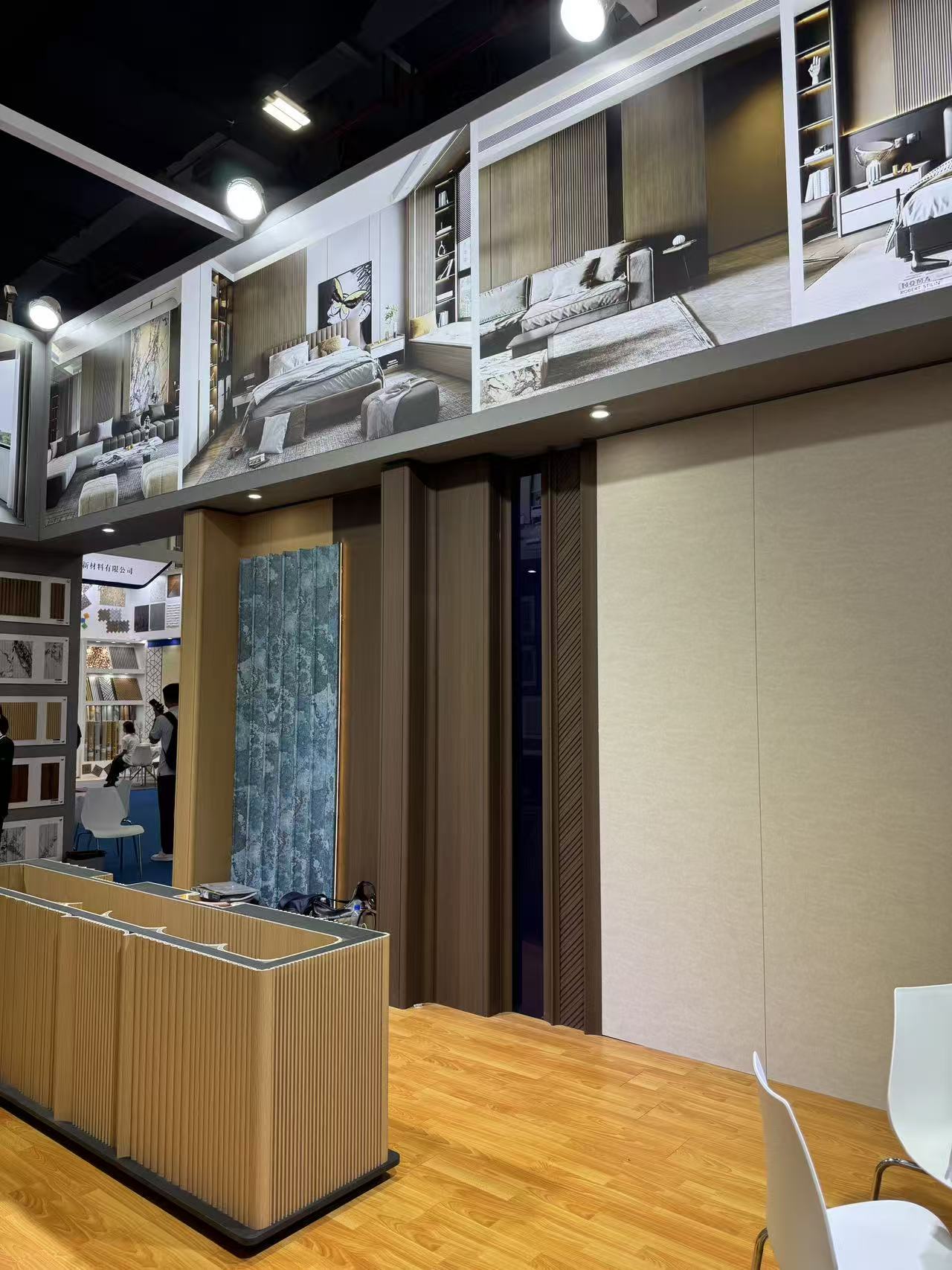
As a professional manufacturer of SPC and WPC decorative wall panels, Waltive — brand of Jinhua Huating New Materials — joined the 28th China International Building Decoration Fair (CBD Fair Guangzhou 2026), a prominent industry exhibition, to unveil its latest product lineup and comprehensive interior wall solutions. The fair was successfully staged from July 8 to 11, 2026.
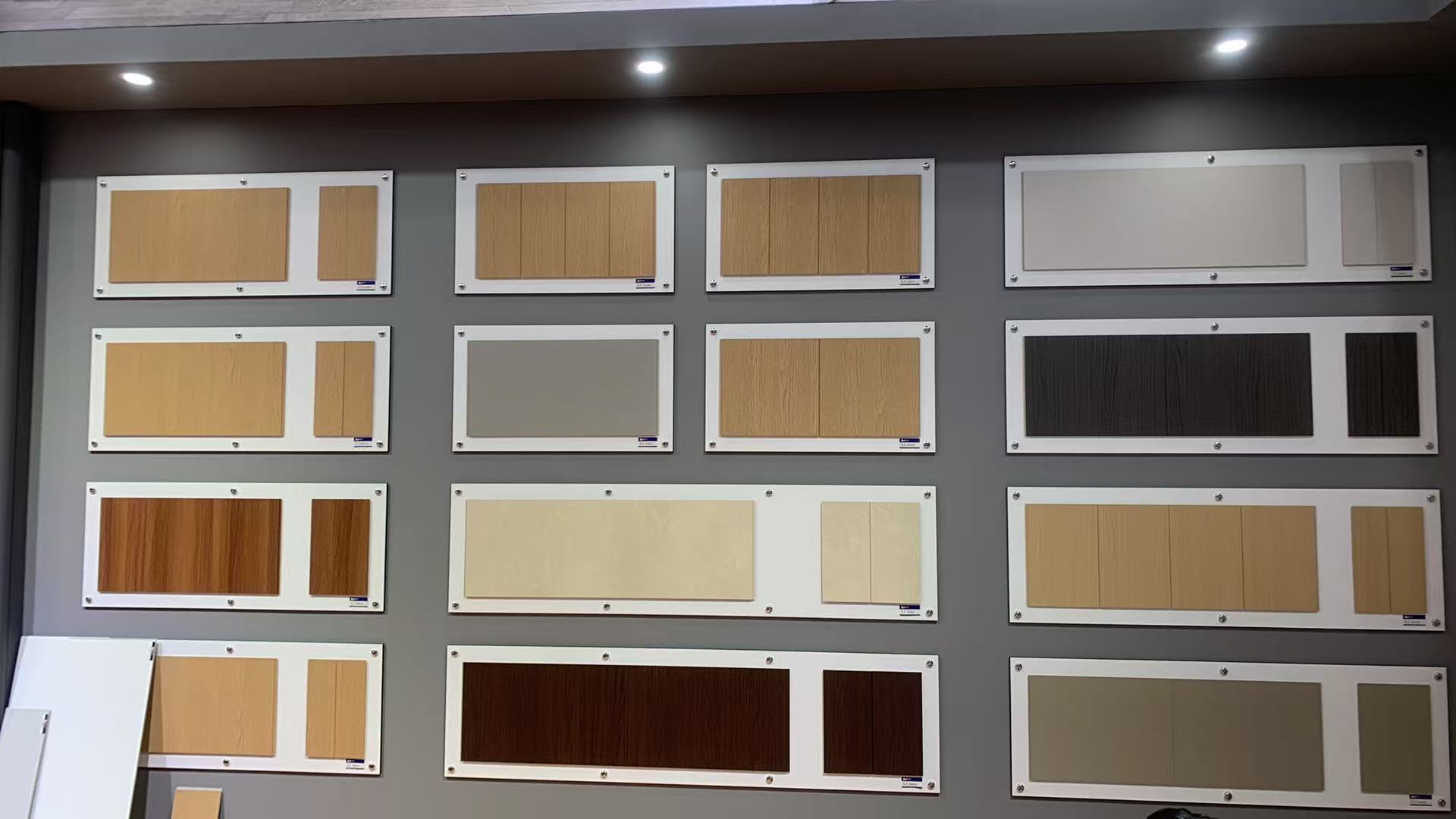
At Waltive booth, visitors explored a full range of decorative wall panel samples featuring diverse wood-grain, stone-texture and solid-color finishes. Throughout the show, Waltive’s international sales and technical specialists were on hand to discuss custom project requirements, explain product advantages and exchange insights with architects, interior designers, distributors and project contractors from around the world.
CBD Fair Guangzhou is one of Asia’s most influential building decoration exhibitions and a key platform for connecting quality suppliers with global buyers. Through its participation, Waltive demonstrated its commitment to innovative, eco-friendly and durable SPC and WPC wall panel products for residential, commercial, hospitality, and office interiors.
Waltive sincerely appreciates every client and partner who visited the booth during CBD Fair 2026. The company looks forward to continuing these collaborations and developing more tailored wall panel solutions to meet global market demands.
100% Waterproof SPC Wall Panels: A Durable Solution for Modern Interiors
In today's construction and interior design industry, demand for durable, low-maintenance wall solutions continues to rise. Among the options available, 100% waterproof SPC wall panels have emerged as a practical choice for both residential and commercial projects. Made from Stone Plastic Composite (SPC), these panels combine the strength of stone with the flexibility of plastic, addressing common issues such as moisture, mold, and structural instability.
Why SPC Wall Panels Are Gaining Ground
Unlike traditional materials such as gypsum boards or MDF, SPC wall panels do not swell or deform when exposed to water. This makes them ideal for wet areas like bathrooms, kitchens, and basements. They are also eco-friendly and highly recyclable, aligning with the sustainability goals of modern construction.
Key Features
Superior water resistance – withstands prolonged exposure without compromising integrity.
High durability – resistant to scratches, dents, and impact, even in high-traffic areas.
Easy installation and maintenance – click-lock systems and simple cleaning with a damp cloth.
Aesthetic versatility – available in wood grain, stone finishes, and solid colors.
Applications
Residential – kitchens, bathrooms, laundry rooms, and living areas.
Commercial – hotels, restaurants, shopping malls, and offices.
Industrial and public – hospitals, laboratories, factories, and public restrooms.
SPC wall panels offer a long-lasting, stylish, and low-maintenance wall solution for diverse environments. Their waterproof performance and practical benefits make them a smart choice for modern interiors.
Why Specify Waltive Waterproof SPC Panels?
100% Waterproof: Engineered for bathrooms, kitchens, and commercial wet areas.
Certified Safe: Class B fire retardant, French A+, zero formaldehyde.
Installation Ready: Click-lock systems with matching trims and mouldings.
Global Supply: 15+ years of experience, 11 production lines, OEM/ODM supported.
Top 5 Mistakes to Avoid When Installing SPC Wall Panels
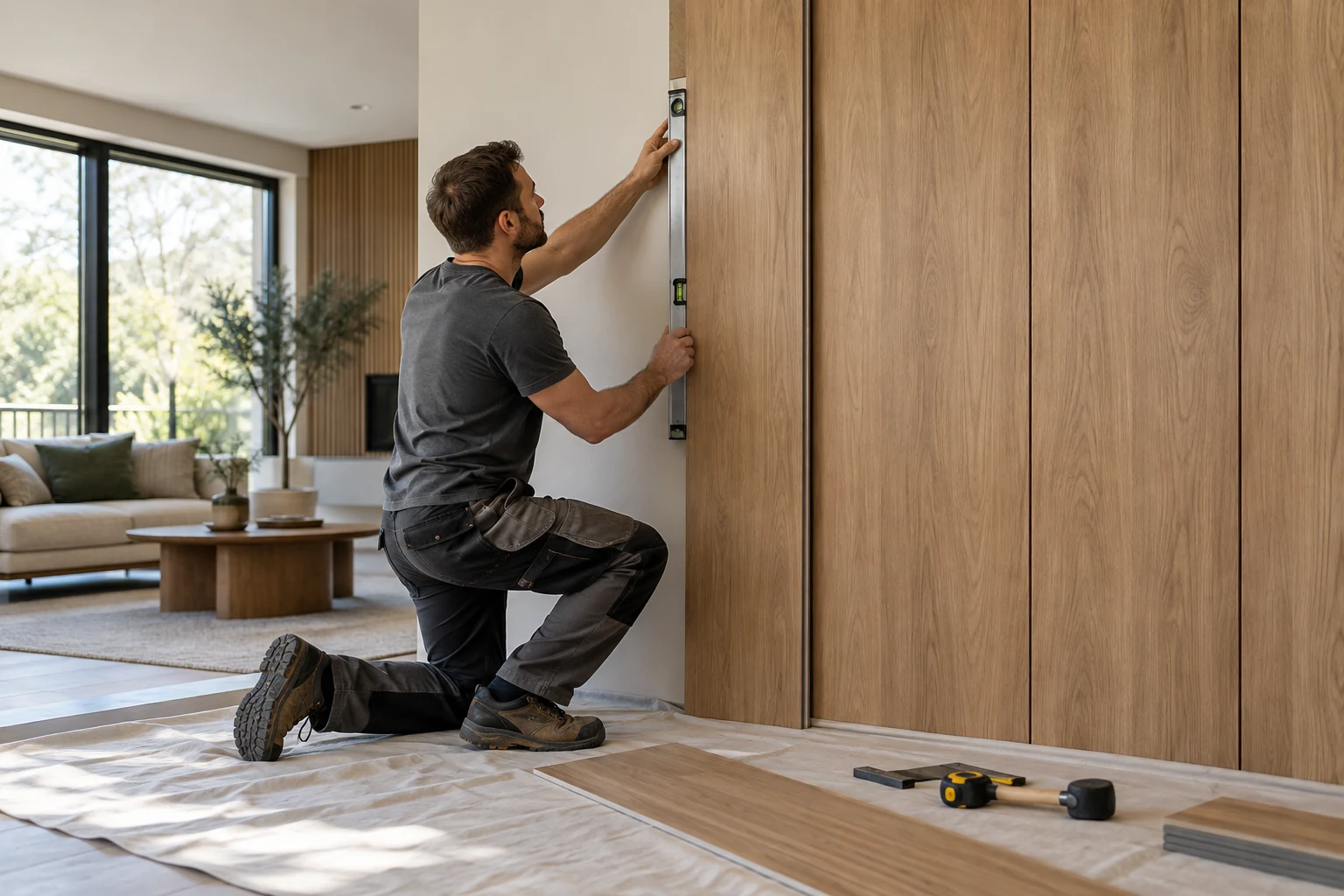
SPC (Stone Polymer Composite) wall panels are designed for fast, clean, and durable installation. But even the best panels can fail if installed incorrectly. Avoiding these five common mistakes will save you time, money, and callbacks.
Mistake #1: Ignoring Wall Flatness and Preparation
The Problem: SPC panels are rigid. If the wall behind them is uneven, the panels will rock, creak, or develop gaps at the seams.
The Fix:
Check wall flatness with a 2m straightedge. Maximum deviation should be ≤3mm per 2m.
Fill deep holes and sand down high spots.
For minor unevenness, use shims or adjustable clips.
For very uneven walls, consider installing a batten system first.
Remember: A flat wall is the foundation of a flawless installation.
Mistake #2: Installing Without Expansion Gaps
The Problem: SPC panels expand and contract with temperature changes. If installed tight against walls, ceilings, or fixed objects, they can buckle, warp, or crack.
The Fix:
Leave a 5–8mm expansion gap around all perimeters.
Use skirting mouldings, ceiling lines, and corner trims to cover the gaps neatly.
For large installations, leave expansion gaps between sections every 6–8 meters.
Remember: SPC needs room to breathe.
Mistake #3: Using the Wrong Adhesive or Glue
The Problem: Some installers use general-purpose construction adhesives that are not compatible with SPC. This can cause the panel to delaminate, warp, or fail to bond properly.
The Fix:
Use PUR hot glue (as specified in our quotation sheet) for tongue-and-groove joints.
For click-lock systems, no glue is needed—ensure the profile is clean.
Never use solvent-based adhesives that can react with the PVC film.
Remember: Always follow the manufacturer's adhesive recommendation.
Mistake #4: Damaging the Click-Lock or Tongue-and-Groove Profile
The Problem: Forcing panels together, hitting them with a hammer, or not aligning the profile properly can break the joint. This leads to gaps, loose panels, and water ingress.
The Fix:
Align the profile carefully before clicking.
Use a rubber mallet and a tapping block—never a metal hammer.
For tongue-and-groove panels, apply glue evenly and slide panels together gently.
If a profile is damaged, do not install it—replace the panel.
Remember: The joint is the weakest point. Protect it.
Mistake #5: Exposing Panels to Extreme Temperatures Before Installation
The Problem: SPC panels stored in freezing cold or scorching hot conditions can become brittle or overly soft. Installing them immediately can cause cracking, warping, or poor bonding.
The Fix:
Store panels in the room where they will be installed for at least 48 hours before installation.
Ideal installation temperature: 15°C to 30°C.
Avoid installing in direct sunlight or near heat sources.
Remember: Acclimation is not optional—it is essential.
Quick Reference: Do's and Don'ts
Do
Don't
Check wall flatness
Install on uneven walls
Leave expansion gaps
Force panels tight against walls
Use PUR hot glue
Use solvent-based adhesives
Use rubber mallet
Use metal hammer
Acclimate panels 48 hours
Install cold or hot panels
Need Installation Support? At Waltive, we provide not just panels, but complete installation solutions. Contact our technical team for installation guides, accessory recommendations, and project-specific advice.
Download our installation guide or contact our technical team.
SPC (Stone Polymer Composite) and WPC (Wood Polymer Composite) wall panels are quickly becoming the go-to solution for commercial interiors. Combining Class B fire safety, 100% waterproof performance, and rapid click-lock installation, they offer a practical alternative to traditional tiles and paint. Here are 8 high-impact commercial applications where SPC wall panels deliver the best return on investment.
1. Hotel & Hospitality Interiors
Best for: Corridors, guest rooms, lobbies, and elevator lobbies. Why it works: Hotels require fast renovation turnarounds. SPC panels install over existing surfaces with minimal dust and downtime. With Class B fire certification and impact resistance, they meet strict hotel safety codes.
2. Office Spaces & Corporate Interiors
Best for: Reception areas, meeting rooms, and breakout spaces. Why it works: Create a professional, modern aesthetic instantly. Use acoustic WPC slatted panels to reduce noise in open offices, and marble-look SPC feature walls for client-facing areas. The low-maintenance finish keeps offices looking polished.
3. Retail Stores & Showrooms
Best for: Feature walls, product display backdrops, and fitting rooms. Why it works: Retail environments demand visual impact and durability. SPC panels resist scuffs from shopping carts and high foot traffic. The wide range of finishes allows for rapid brand refreshes without closing the store.
4. Restaurants, Cafés & Bars
Best for: Dining areas, bar fronts, and washrooms. Why it works: SPC panels are stain-resistant and easy to wipe down, making them ideal for food and beverage environments. Fast installation means you can open your doors sooner. The waterproof core ensures no swelling near sinks.
5. Healthcare & Medical Clinics
Best for: Waiting rooms, patient corridors, and examination rooms. Why it works: Hygiene and air quality are critical. Our panels carry French A+ and Zero Formaldehyde certifications, ensuring low VOC emissions. The 100% waterproof and mold-resistant surface allows for easy sanitization.
6. Gyms & Fitness Centers
Best for: Locker rooms, shower areas, and workout zones. Why it works: High humidity and heavy impact are no match for SPC panels. Unlike traditional tiles, there is no grout to harbor bacteria or mildew. The impact-resistant core withstands dropped weights and heavy equipment.
7. Educational Institutions
Best for: Classrooms, hallways, and cafeterias. Why it works: Schools need durable, safe, and low-maintenance materials. SPC panels are Class B fire-retardant, reducing fire risk in high-occupancy buildings. They are also easy to clean, resisting graffiti and scuff marks.
8. Commercial Bathrooms & Washrooms
Best for: Office washrooms, mall facilities, and hotel bathrooms. Why it works: This is where SPC panels shine brightest. 100% waterproof and mold-resistant, they replace grout-heavy tiles with a seamless, wipe-clean surface. The Class B rating and d0 droplet classification ensure maximum safety.
Why Specify Waltive for Commercial Projects?
Fire Safety: Class B certified (tested by SGS)
Health & Safety: French A+, Zero Formaldehyde, Heavy-Metal Free
Waltive at Canton Fair 2026: Showcasing Next-Gen SPC Panels & Accessories
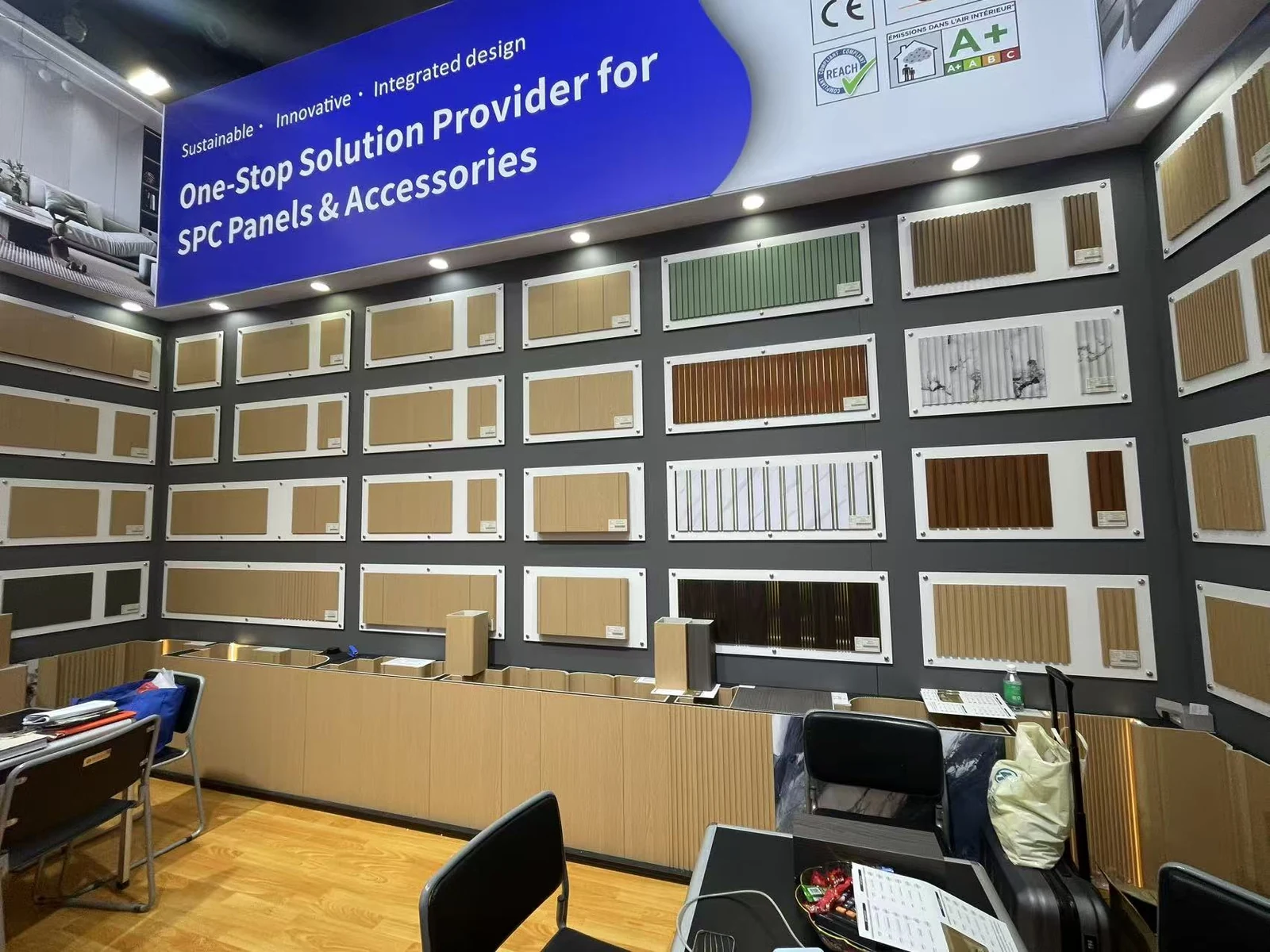
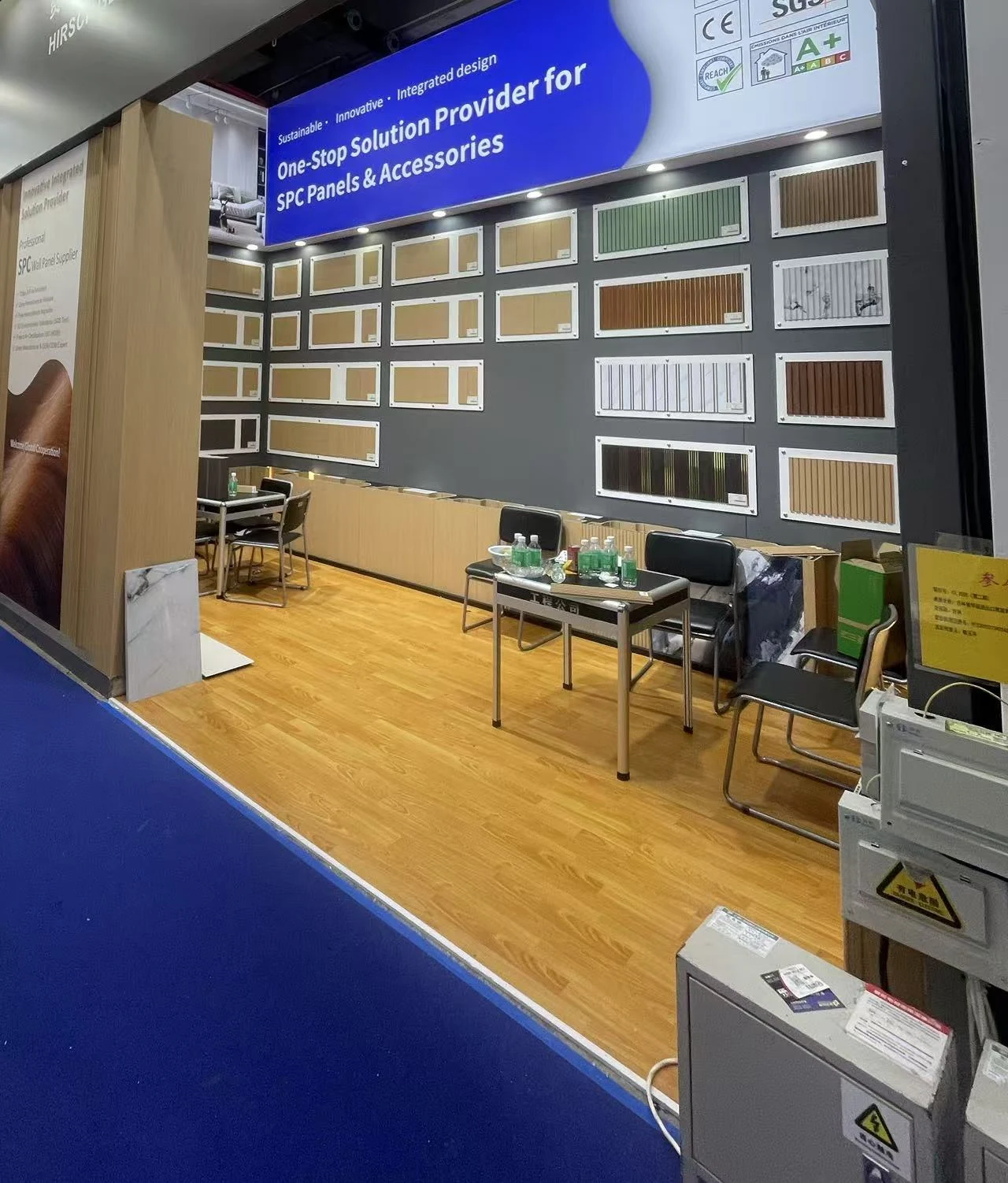
Waltive successfully exhibited at the 139th Canton Fair (April 2026, Phase 2), presenting its latest SPC wall panels and integrated accessory line to global buyers. The booth (13.2E06-07) attracted significant attention for its "One-Stop Solution" concept and rigorous third-party certifications.
A Successful Showcase in Guangzhou
In April 2026, our team joined thousands of global buyers and suppliers at the Canton Fair Phase 2. Our booth was designed to demonstrate one core strength: Waltive is a direct manufacturer and OEM/ODM expert capable of supplying not just panels, but complete interior wall solutions.
What We Showcased
Visitors to our booth were able to see and touch:
Premium SPC Wall Panels: A wide range of wood grain and marble finishes, including our popular fluted (grille) panels.
Integrated Accessories: Corner mouldings, skirting, ceiling lines, and edge banding—all colour-matched to our panels.
The "One-Stop Solution": A complete system for distributors and contractors.
Certifications That Build Trust
One of the most common questions from international buyers was about compliance. Our booth prominently displayed our third-party testing achievements:
Class B Fire Retardant
Zero Formaldehyde Release
Free Heavy Metals Migration
EU Environmental Standards (SGS Test)
French A+ Certification (ISO16000)
These certifications, verified by SGS, were a major draw for buyers from Europe, the Middle East, and North America who require strict compliance for their commercial projects.
Looking Ahead
The Canton Fair remains an invaluable platform for connecting with global partners face-to-face. We extend our thanks to everyone who visited our booth. If you missed us this time, we would be happy to schedule a virtual factory tour or send you our latest catalogue and sample kit.
Missed us at Canton Fair? Request a sample kit or virtual tour.
SPC & WPC Wall Panels: A Buyer's Guide to Certifications
When sourcing SPC or WPC wall panels, the datasheet often lists a long string of certifications: CE, French A+, Class B, Zero-Formaldehyde, Heavy-Metal Free. But what do these actually mean—and which ones matter for your project?
1. CE Marking: Your Passport to the EU Market
CE is not a quality mark. It is a declaration by the manufacturer that the product meets applicable EU health, safety, and environmental requirements. For construction products, CE marking is usually supported by a Declaration of Performance (DoP) and test reports from an accredited laboratory.
What to check: Ask for the DoP and the underlying test reports—not just a CE logo on the brochure.
2. French A+: Indoor Air Quality
French A+ is the highest class under France's VOC emission labelling scheme. It measures volatile organic compounds released from building products over 28 days. An A+ rating means very low emissions—important for schools, hospitals, offices, and homes.
What to check: Confirm the A+ certificate covers the exact product and surface finish you are buying.
3. Class B Fire Retardant: Reaction to Fire
Class B under EN 13501-1 means the panel makes a "very limited contribution to fire." It is commonly required for commercial interiors, hotels, retail, and public spaces. A full Class B rating includes two additional codes: s (smoke production) and d (flaming droplets). A rating of B-s2, d0 is stronger than B-s3, d0.
What to check: Ask for the full classification, not just "Class B." For high-rise, healthcare, or escape routes, specify B-s2, d0 or better.
4. Zero Formaldehyde Release
Formaldehyde is a common indoor air pollutant found in some adhesives and resins. Zero formaldehyde release means the product does not release formaldehyde under test conditions. This is especially relevant for interior wall panels used in enclosed spaces.
What to check: Request the formaldehyde test report. Look for "not detected" or "zero release" based on a recognised method.
5. Free Heavy Metals Migration
Heavy metals such as lead, cadmium, mercury, and chromium VI can be present in PVC films or fillers. Free heavy metals migration means the product has been tested and meets strict limits for heavy-metal release.
What to check: Ask for the migration test report and confirm it covers the surface film and core material.
What to Ask Your Supplier
Are the certificates issued by a third-party lab such as SGS, TÜV, or Intertek?
Do the certificates match the exact SKU, thickness, and surface finish?
Is the CE marking supported by a Declaration of Performance?
What is the full fire classification—B-s2, d0 or B-s3, d0?
Does the French A+ certificate cover all VOC categories?
Is formaldehyde tested as "not detected" or only "low emission"?
Are heavy-metal migration test reports available?
Waltive Certifications: At Waltive (Jinhua Huating New Materials Co., Ltd.), all SPC and WPC wall panels are CE certified and comply with strict EU environmental standards. Our products have passed testing for French A+ Certification, Class B Fire Retardant, Zero Formaldehyde Release, and Free Heavy Metals Migration. SGS test reports and certificates are available on request.
Download our certification package or request specific test reports.
How to Choose the Right SPC Wall Panel Thickness: 6mm vs 8mm
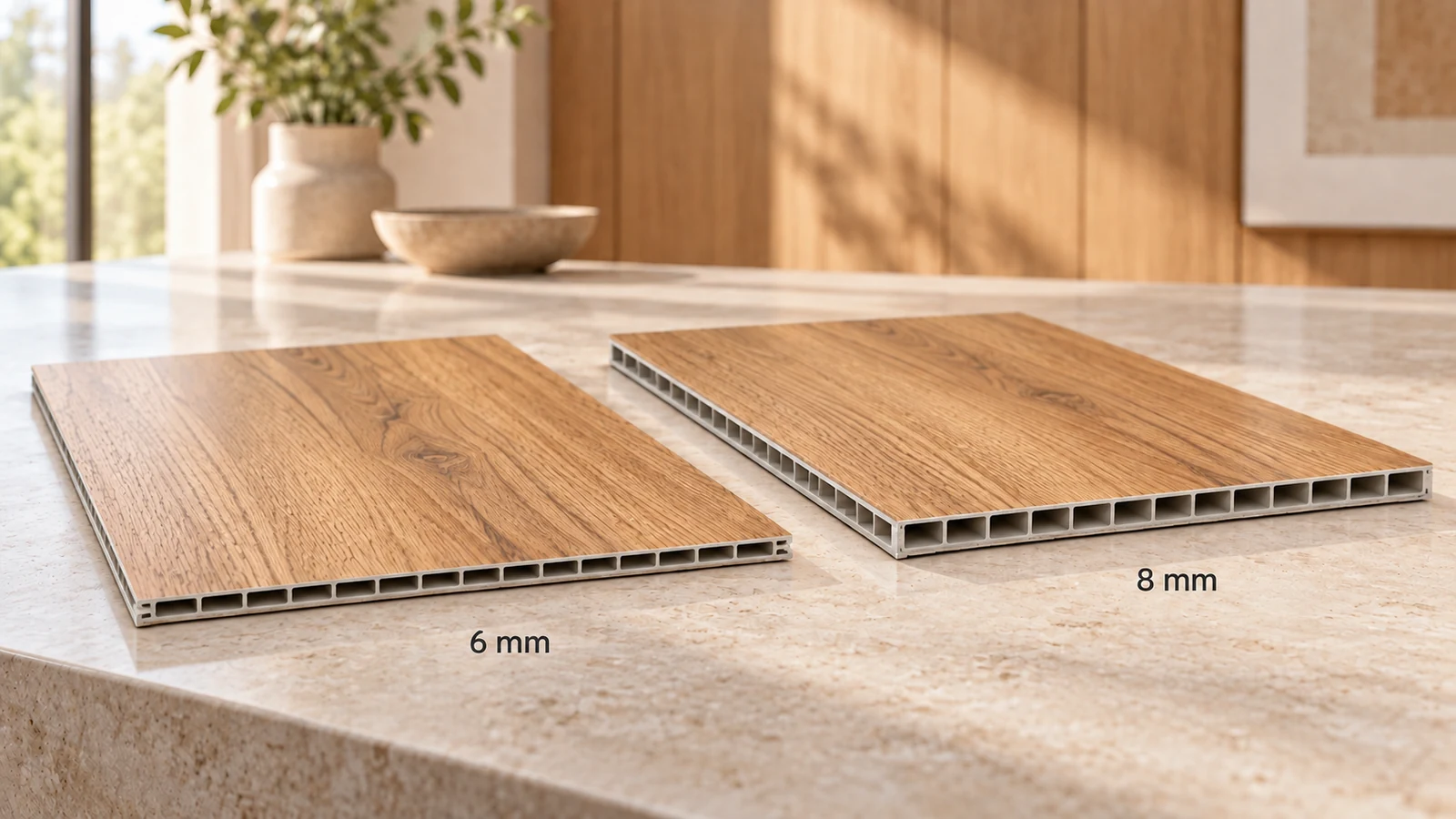
One of the most common questions we receive from buyers is: "Should I choose 6mm or 8mm SPC wall panels?" Both thicknesses are durable, waterproof, and suitable for interior wall cladding. But they serve different project needs.
Retrofit and renovation: Lighter panels are easier to handle.
Budget-focused projects: Lower material cost per square meter.
Standard residential interiors: Sufficient durability for bedrooms, living rooms, and ceilings.
Ceiling applications: Reduced weight is a significant advantage for overhead installation.
Key benefit: At 4.9–5.7 kg/m², 6mm boards are noticeably lighter—easier to transport, handle, and install, especially when working at height.
When to Choose 8mm SPC Boards
Commercial interiors: Superior impact resistance for offices, retail, and hospitality.
High-traffic areas: Handles daily wear from carts, luggage, and foot traffic.
Large-format panels: Available up to 1120mm wide—fewer seams, faster coverage.
V-Seam and U-Seam designs: Full range of seam profiles for architectural detailing.
Feature walls: Rigid core holds shape on tall walls without bowing.
Hotels, hospitals, schools: Meets commercial durability and fire safety requirements.
Key benefit: At 6.2–7.4 kg/m², 8mm boards provide a solid, premium feel with significantly higher rigidity. The wider range of widths (up to 1120mm) means fewer panels per project and fewer seams.
Making the Decision: A Quick Guide
Ask Yourself
Choose 6mm
Choose 8mm
Is weight a concern?
Yes
Is this a high-rise or retrofit?
Yes
Is budget the top priority?
Yes
Is this a commercial space?
Yes
Will there be heavy foot traffic?
Yes
Do I need panels wider than 800mm?
Yes
Do I need V-Seam profiles?
Yes
Still Not Sure? Our team can help you select the right thickness based on your project type, wall area, and budget. Contact us with your project details, and we will prepare a recommendation and quotation.
SPC Wall Boards vs. Traditional Tiles: Cost, Installation & Durability
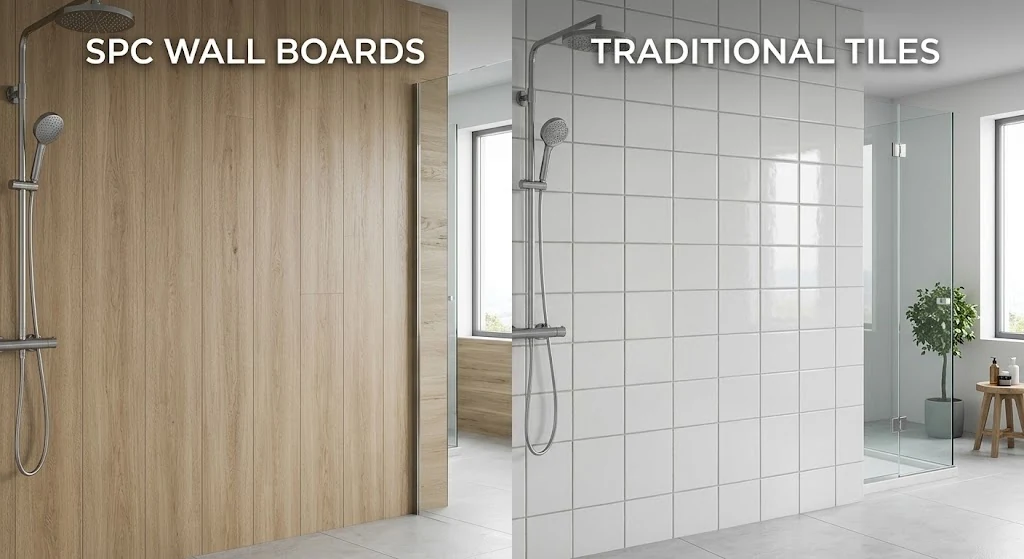
When specifying wall finishes for a residential or commercial project, the choice often comes down to two options: traditional ceramic tiles or modern SPC wall boards. Both have their place—but they differ dramatically in cost, installation speed, and long-term performance.
Cost: Material vs. Total Installed Cost
The biggest mistake buyers make is comparing only the material price per square meter. The real number that matters is the total installed cost.
Cost Component
Ceramic Tiles
SPC Wall Boards
Material Cost
Low to high
Mid-range, stable
Labor Cost
High — skilled tilers
Low — fast installation
Adhesives & Grout
Required
Not required
Surface Preparation
Extensive
Minimal
Demolition
Often required
Usually not required
Total Installed Cost
Higher overall
40–60% lower
Key Insight: While SPC material may cost slightly more than basic tiles, the savings on labor, adhesives, grout, and surface preparation make the total installed cost significantly lower.
Installation: Speed & Simplicity
Installation Factor
Ceramic Tiles
SPC Wall Boards
Installation Time
5–7 days (with drying)
1–3 days
Skill Required
High
Low
Wet Trades
Yes
No
Drying Time
24–48 hours
None
Grouting
Required
Not required
Dust & Mess
High
Low
Renovation
Requires demolition
Install over existing
Key Insight: SPC wall boards install 3–5 times faster than tiles, with no wet trades and minimal disruption.
Durability & Performance
Performance Factor
Ceramic Tiles
SPC Wall Boards
Waterproof
Yes (grout porous)
100% waterproof
Impact Resistance
High
High
Fire Retardant
Yes
Yes — Class B
Warping / Swelling
No
No
Cracking
Can crack
Resists impact
Joint Lines
Grout lines — stain/mold
Minimal seams
Key Insight: Tiles are durable, but their grout lines are the weak point. SPC wall boards have no grout, no porosity, and no organic content.
Summary
Factor
Winner
Material Cost
Ceramic Tiles
Total Installed Cost
SPC Wall Boards
Installation Speed
SPC Wall Boards
Labor Cost
SPC Wall Boards
Maintenance
SPC Wall Boards
Waterproofing
SPC Wall Boards
Design Flexibility
SPC Wall Boards
Traditional Aesthetic
Ceramic Tiles
Bottom Line: If you compare only material price, tiles look cheaper. But when you factor in labor, adhesives, grout, surface prep, and long-term maintenance, SPC wall boards deliver a lower total cost of ownership.
Calculate your project savings with SPC wall boards.
Class B Fire-Retardant Wall Panels: Standards Explained
If you are sourcing wall panels for a commercial project, you have likely seen terms like "Class B," "B1," "B-s2, d0," or "EN 13501-1" on product datasheets. These codes are not interchangeable—and understanding them can mean the difference between passing or failing a building inspection.
The European Standard: EN 13501-1
In Europe and most international markets, fire performance for building products is classified under EN 13501-1. This standard ranks materials into seven classes based on how they react to fire:
Class
Fire Performance
A1
Non-combustible (highest)
A2
Limited combustibility
B
Very limited contribution to fire
C
Limited contribution to fire
D
Moderate contribution to fire
E
High contribution to fire
F
No performance determined (lowest)
Class B is the rating most commercial interiors require—it means the material contributes very little to fire growth.
Two Tests Behind Every Class B Rating
To earn a Class B classification, a product must pass two separate fire tests:
1. Single Burning Item (SBI) Test — EN 13823
A sample is exposed to a burning object in a corner configuration for 20 minutes. The test measures:
Parameter
What It Measures
FIGRA
Fire Growth Rate Index — how fast fire spreads
THR600s
Total Heat Release in the first 600 seconds
SMOGRA
Smoke Growth Rate Index
TSP600s
Total Smoke Production in 600 seconds
LFS
Whether flames reach the edge of the sample
2. Single-Flame Source Test — EN ISO 11925-2
A small flame is applied directly to the surface for 30 seconds. The test measures whether the material ignites and whether the flame spreads beyond 150mm.
Understanding the Full Classification Code
A Class B rating is always followed by two additional codes:
B – s [smoke] , d [droplets]
Smoke Production (s): s1 = Lowest smoke production, s2 = Moderate, s3 = Highest. Flaming Droplets (d): d0 = No flaming droplets within 600 seconds (best), d1 = No droplets persisting longer than 10 seconds, d2 = Neither d0 nor d1 (worst).
So a rating of B-s2, d0 means: Class B fire performance, moderate smoke, and no flaming droplets.
What About "Class B1"?
Class B1 is not the same as Class B. B1 is a German standard (DIN 4102), while Class B is under EN 13501-1. Some suppliers still use the German B1 rating, but it is being phased out. If a datasheet says "B1," ask for the EN 13501-1 equivalent.
Our Test Results
Waltive SPC and WPC wall panels have been independently tested by SGS under EN 13501-1:2018. Here are the verified results:
Product
Classification
Smoke
Droplets
Report No.
SPC Panel (8mm)
B-s3, d0
s3
d0
AJFTS26002098R01
WPC / PVC Panel (8mm)
B-s2, d0
s2
d0
SHFTS26000684R01
What this means in practice:
Class B — Both products meet the requirement for most commercial building codes.
d0 — Neither product releases flaming droplets during a fire, which is the safest possible result.
⚠️ Smoke rating differs — The WPC/PVC panel earned s2 (lower smoke), while the SPC panel earned s3 (higher smoke). For strict smoke control requirements, specify the B-s2, d0 product.
Request our full SGS fire test reports for your submittal package.
SPC Boards: Honeycomb Core vs. Square Hole Core – A Complete Guide
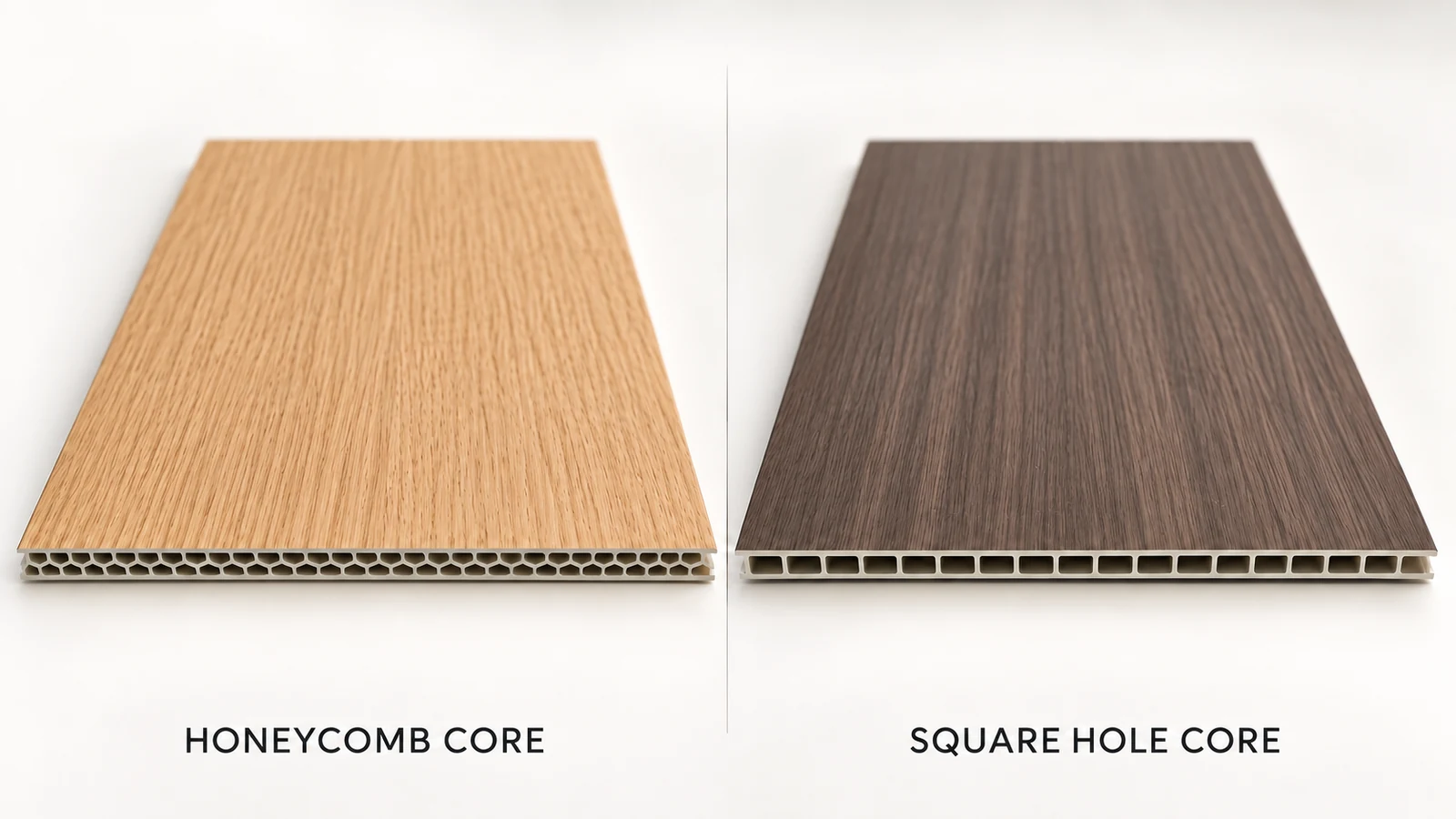
When choosing SPC wall panels, most buyers focus on surface finish, color, and thickness. But the core structure inside the board matters just as much—it affects weight, strength, installation, and cost. Two of the most common core designs are Honeycomb Core and Square Hole Core.
What Is a Square Hole Core?
A Square Hole Core SPC board features a series of square or rectangular cavities running through the interior. This hollow-core design reduces weight while maintaining structural rigidity.
Thickness: 6mm and 8mm
Density: Approximately 6.2–7.0 kg/m² (8mm board)
Structure: Uniform, parallel square chambers
Best for: Standard residential and commercial wall cladding where cost efficiency and reliable performance are the priority.
What Is a Honeycomb Core?
A Honeycomb Core SPC board uses a hexagonal cell pattern—inspired by natural beehive structures—inside the panel. This design delivers a very high strength-to-weight ratio, similar to aerospace and automotive engineering principles.
Thickness: 6mm and 8mm
Density: Lighter than square hole core
Structure: Hexagonal honeycomb chambers
Best for: Large-format panels, projects where reduced structural load matters, and premium applications requiring higher rigidity with less weight.
Head-to-Head Comparison
Feature
Square Hole Core
Honeycomb Core
Structure
Square/rectangular chambers
Hexagonal honeycomb cells
Weight
Standard (heavier)
Lighter
Strength-to-Weight Ratio
Good
Excellent
Rigidity
High
Very High
Surface Flatness
Excellent
Excellent
Acoustic Performance
Good
Better
Thermal Insulation
Moderate
Good
Cost
More cost-effective
Higher investment
Best Application
Residential, retail, standard commercial
Large-format, premium, weight-sensitive projects
Which One Should You Choose?
Choose Square Hole Core if:
You need a cost-effective solution for standard wall cladding
Your project uses 6mm or 8mm boards in common widths (150mm–600mm)
You want reliable, proven performance for residential or retail interiors
Choose Honeycomb Core if:
You need larger panel formats with fewer seams
Weight reduction matters—for example, in high-rise buildings or retrofit projects
You want superior acoustic performance for hotels, offices, or conference rooms
The project specification calls for premium structural performance
Our Capability: At Waltive, we offer both core structures across our SPC wall board range—thickness 6mm and 8mm, widths from 140mm to 1120mm, with U-Seam, V-Seam, and Flat Seam profiles. Certifications include CE, French A+, formaldehyde-free, and heavy-metal free.
The way we design interior spaces is changing and wall panels are leading the transformation. Stone Polymer Composite (SPC) and Wood Polymer Composite (WPC) wall panels have moved from niche alternatives to mainstream choices for architects, builders, and homeowners worldwide.
Here is why this market is surging and what it means for your next project.
The Numbers Tell a Powerful Story
According to QY Research, the global SPC wall panel market was valued at approximately US$1.73 billion in 2024 and is projected to reach US$3.39 billion by 2031, growing at 10.3% annually. IndexBox analysts project that global demand could more than double by 2035, driven by growth across residential, commercial, and specialized sectors.
WPC wall panels are following a similar trajectory. The broader WPC market is set to grow from US$7.5 billion to US$7.8 billion in 2025, with wall panels capturing 10–15% of that market at a steady 7–8% growth rate.
Why Are SPC and WPC Wall Panels Growing So Fast?
Modern construction is embracing materials that are faster to install, safer for occupants, and more sustainable. SPC and WPC panels fit this new building paradigm perfectly:
Driver
What It Means
Speed & Savings
No grout, no adhesives, no drying time. Total installed costs can be 40–60% lower than porcelain tile.
Unmatched Durability
Waterproof, fire-retardant, and impact-resistant. Won't warp, crack, or swell—even in humid bathrooms or kitchens.
Health & Safety
Zero formaldehyde and French A+ air quality certified. Trusted in schools, hospitals, and family homes.
Design Flexibility
Thousands of colors, wood grains, stone finishes, and textures—from sleek flat panels to bold 3D ribbed designs.
Low Maintenance
No grout, no sealing, no repainting. A simple wipe keeps them looking beautiful for years.
Partner with a Trusted Manufacturer
At Waltive, we have been at the forefront of this transformation since 2010. With over 15 years of OEM/ODM experience, 11 modern production lines, and certifications including CE, French A+, and formaldehyde-free, we deliver SPC and WPC wall panels that combine beauty, durability, and sustainability.
Whether you are an architect, contractor, wholesaler, or developer, we are here to help you bring your vision to life, with products that perform, colors that inspire, and service you can trust.
Explore our full range of SPC and WPC wall panels.